
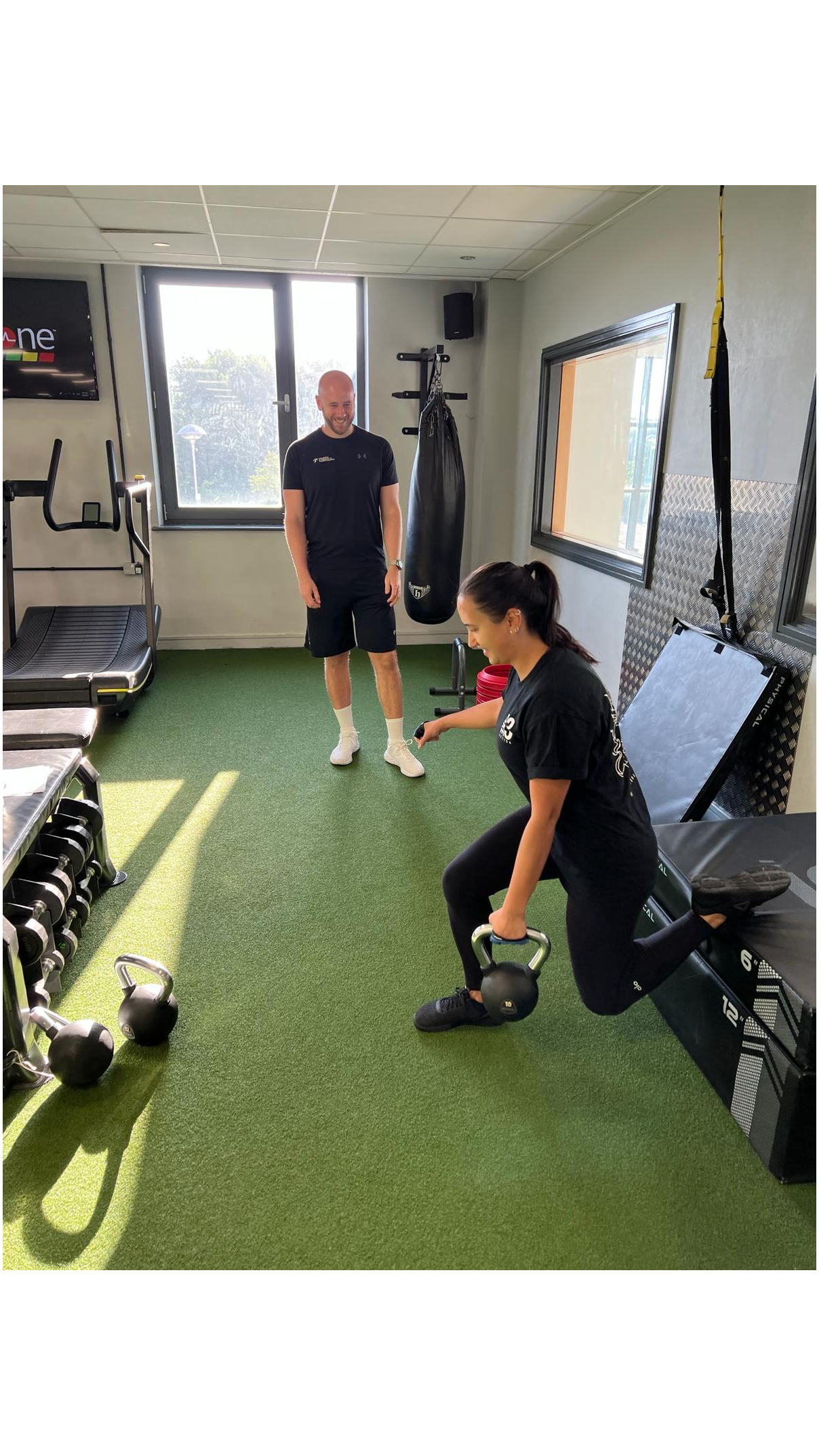
Injury rehabilitation has long been associated with rest, ice packs, and passive recovery. But the clinical understanding of how the body heals has shifted considerably. Today, structured strength and conditioning work sits at the centre of most effective rehab programmes—not as an afterthought, but as the primary driver of full, lasting recovery.
Why Building Strength Is Central to Recovery
When an injury occurs, the body does not just lose function at the site of damage. Surrounding muscles weaken, joint stability decreases, and the nervous system essentially “forgets” how to coordinate movement efficiently.
Strength training addresses all three. Through targeted exercise, recovering athletes and everyday patients alike rebuild muscle mass, retrain stabilising structures, and restore the neuromuscular pathways that control balance and coordination.
Resistance Training: Working the Injured Area, Not Around It
One of the most counterintuitive aspects of modern rehab is that the injured area often needs to be loaded carefully and progressively rather than completely rested. Controlled resistance training stimulates tissue repair, increases blood flow to damaged structures, and prevents the muscle atrophy that can set recovery back by weeks.
Exercises are selected based on the injury type, the healing phase, and what the joint or muscle can tolerate without aggravating symptoms. Early-stage work might involve isometric contractions that generate force without movement. As tolerance improves, isotonic and then dynamic loading is introduced to rebuild full functional capacity.
The goal is not to train through pain, but to find the appropriate level of stimulus that encourages adaptation without causing further damage.
Progressive Overload Without the Risk of Setback
The principle of progressive overload—gradually increasing the demands placed on the body—applies in rehab just as it does in performance training. The difference is that every progression must be earned. Intensity, volume, and range of motion are adjusted incrementally, with close attention paid to pain response, swelling, and movement quality.
Rushing this process is one of the most common reasons people re-injure themselves after what seemed like a full recovery. Feeling better is not the same as being ready for the next level of loading. Objective benchmarks such as strength ratios, movement screens, and functional tests give practitioners a more reliable gauge of readiness than pain levels alone.
Restoring Flexibility and Range of Motion
Strength alone does not equal function. Scar tissue, joint stiffness, and muscular tightness can all limit movement even after the original injury has healed. Stretching protocols, both static and dynamic, are incorporated to restore the full range of motion and reduce the mechanical compensations that develop during injury.
Mobility training also feeds directly into strength work. When a joint can move through its full range without restriction, resistance exercises become more effective and safer because the body no longer has to recruit the wrong muscles to compensate for what the primary movers cannot access.
Why Certified Professionals Make the Difference
No rehab programme works in isolation from the person running it.
A certified strength and conditioning specialist brings the clinical knowledge to assess movement deficits, identify compensation patterns, and design programming that evolves as the patient improves.
Generic exercise plans carry real risk. Programmes built around an individual’s injury history, fitness baseline, and recovery goals consistently produce better outcomes and fewer returns to the treatment table.
Swansea Strength & Conditioning Ltd
The Village Hotel, Langdon Rd,
Swansea
Swansea
SA1
United Kingdom
