
Georgia Warehouse Moving Guide: Inventory Control Tips from A.C. White Relocation
Alpharetta, United States – April 9, 2026 / Moving Service Marketing Company /
Warehouse moves in Georgia take more than just packing and transporting items from one place to another. They require careful planning to keep inventory organized, prevent losses, and maintain daily operations. With large volumes of products, equipment, and storage systems involved, even minor labeling or tracking errors can cause delays and confusion. Businesses need a clear system that outlines how items will be counted, categorized, moved, and placed in the new facility.
A well-prepared inventory control plan helps reduce these risks by setting clear processes before the move begins. This includes organizing inventory into categories, labeling everything correctly, and mapping the new warehouse layout in advance. When these steps are followed, teams can move faster and avoid unnecessary disruptions. In this guide, A.C. White Relocations outlines practical, realistic steps businesses can take to maintain accurate inventory control during a warehouse relocation.

Goals of an Inventory Control Plan
One of the main goals of an inventory control plan is to reduce disruptions during the move. Keeping products available while relocating an entire warehouse can be challenging, especially when businesses rely on a steady inventory flow to meet customer demand. The focus is not just on moving items, but on ensuring operations continue without major interruptions. This requires a clear understanding of how inventory moves daily and how those patterns can continue during the transition.
To support this goal, careful planning and forecasting are necessary. Businesses need to review their sales cycles and forecast demand to decide which items should be moved first and which can wait. Creating a detailed moving schedule also helps break the process into smaller, manageable steps. When each phase is aligned with daily operations, the business can continue running while the move is in progress, reducing downtime and avoiding service delays.
Another important goal is controlling costs throughout the relocation. Moving a warehouse can become expensive if not properly managed, especially when it comes to transportation, labor, and temporary storage. One effective approach is to move inventory in larger, well-planned shipments rather than multiple smaller shipments. This reduces handling time and transportation costs while keeping the process more organized.
Space planning also plays a big role in cost control. Making the most of available space during transport and in the new warehouse helps avoid the need for extra storage. Businesses that plan ahead can reduce unnecessary expenses while keeping operations efficient. This level of planning requires coordination with logistics providers to ensure timing, load capacity, and delivery schedules are all aligned.
Maintaining inventory accuracy is another key objective that directly affects the success of the move. Accurate records help prevent common issues such as missing items, overstocking, or running out of important products. During a warehouse move, these problems can quickly escalate if inventory is not properly tracked.
Using tools such as barcode scanners or RFID systems enables teams to update inventory in real time as items are packed, moved, and unpacked. These tools reduce manual errors and provide better visibility for everyone involved in the process. When staff are trained properly and follow standard procedures, businesses can maintain reliable data even during a complex move. Together, these goals create a strong foundation for a smooth, organized relocation.
Key Inventory Management Procedures
Establishing clear inventory management procedures helps maintain control during every stage of the move. Without structured processes, even well-planned relocations can run into issues such as misplaced items or incomplete records. A step-by-step approach ensures that all inventory is accounted for and handled correctly.
Step I – Inventory Categorization
Dividing inventory into categories such as high-demand, medium-demand, and low-demand items helps prioritize what needs immediate attention. This method allows teams to focus on moving essential items first, ensuring they are quickly available once operations resume. High-demand products are usually placed in easily accessible areas to support ongoing business needs.
This system also helps with planning the layout of the new warehouse. Frequently used items can be placed near loading docks or packing areas, while slower-moving products can be stored further away. By organizing inventory this way, businesses can avoid delays and keep workflows efficient after the move is complete.
Step II – Audit and Count
Performing a full audit and physical count before the move is essential for maintaining accuracy. While this step can be time-consuming, it helps identify missing items or discrepancies early in the process. Addressing these issues before the move prevents bigger problems later, once the warehouse is operational.
Combining manual counts with digital tools, such as barcode scanners, improves both speed and accuracy. Dedicated teams can handle this task during slower business hours to minimize disruption. Having a complete and verified inventory record makes it easier to track items throughout the move and ensures everything is accounted for at the new location.
Step III – Labeling and Documentation
Proper labeling is one of the most important parts of a successful warehouse move. Each item should be clearly marked with details such as SKU numbers, quantities, and current locations. This makes it easier to track items and place them correctly in the new warehouse.
Labels should be durable enough to withstand handling during the move. At the same time, digital records should be updated regularly to reflect any changes. Keeping both physical and electronic records ensures that a backup is always available. Standardizing labeling formats across teams also helps prevent confusion and keeps everyone working efficiently.
Effective Organizing Techniques
Keeping a warehouse organized is essential for reducing delays and avoiding mistakes during a move. A well-structured space allows teams to work more efficiently and ensures that items can be found and moved without confusion. Organizing is not just about cleanliness but about creating a system that supports productivity.
Zoning System
A zoning system divides the warehouse into sections based on the type of inventory being stored. This makes it easier to manage large volumes of items by grouping similar products together. For example, heavy equipment can be placed in one area while fragile items are stored in another, reducing the risk of damage.
This approach also makes loading and unloading more efficient. Workers can quickly identify where items belong, saving time and reducing errors. Zoning creates a clear structure that helps teams stay organized throughout the move and beyond.
Efficient Layouts
Planning an efficient layout ensures inventory is stored to support smooth operations. Methods like First In, First Out help businesses manage stock rotation and prevent items from sitting unused for long periods. This is especially important for products with expiration dates or limited shelf life.
An organized layout also improves safety and reduces the time needed to locate items. Clear pathways, proper spacing, and consistent storage systems make it easier for staff to move around the warehouse. When layouts are planned carefully, businesses can maintain productivity and avoid unnecessary delays during and after the move.
Leveraging Technology for Efficiency
Technology plays a major role in improving accuracy and efficiency during warehouse moves. By reducing manual work and providing real-time data, modern tools help businesses stay organized and make better decisions throughout the relocation process.
RFID and Barcode Systems
RFID and barcode systems are widely used to track inventory during moves. These tools enable teams to quickly scan items and automatically update records. RFID systems can track items without direct visibility, while barcode systems require scanning each item individually but are more affordable.
Both options help reduce errors and improve tracking. Businesses can choose the system that best fits their size and budget. Proper training ensures that staff can use these tools effectively and get the most value from them.
Inventory Management Software (IMS)
Inventory management software centralizes all inventory data in a single system. It allows businesses to monitor stock levels, track movements, and generate reports. This makes it easier to manage inventory before, during, and after the move.
Automation features can also help schedule shipments and identify potential issues early. By using data to guide decisions, businesses can reduce risks and keep operations running smoothly. Choosing the right software depends on the warehouse’s needs and scale.
Implementing Your Plan
Implementing the inventory control plan requires clear communication and coordination. Every team member should understand their responsibilities and how their work contributes to the overall process. Breaking the plan into smaller steps helps ensure nothing is missed.
-
Prep Phase: Audit and label all inventory before the move begins
-
Move Phase: Transport items in an organized and prioritized order
-
Setup Phase: Arrange inventory in the new warehouse based on the planned layout
Following these steps in order helps maintain structure and prevents confusion. Regular check-ins during the move allow teams to address issues quickly and stay on schedule. Flexibility is also important, as unexpected challenges may arise and require adjustments.
Documenting each step of the process provides a record for future improvements. This helps businesses refine their approach and make future moves more efficient.
Ensuring a Smooth Transition
A smooth warehouse move depends on continuous monitoring and communication. Tracking progress in real time allows teams to identify problems early and take corrective action. This helps prevent delays and keeps inventory accurate throughout the process.
Post-move reviews are also important for evaluating the relocation’s success. By analyzing what worked well and what could be improved, businesses can strengthen their processes for future moves. Staff feedback provides valuable insights that may not be obvious during planning.
Making adjustments based on these findings improves efficiency and reduces costs over time. With the right approach, warehouse moves can become more manageable and less disruptive.
Warehouse moves in Georgia require careful planning, clear organization, and consistent execution to maintain inventory control and avoid costly disruptions. By setting clear goals, following structured procedures, using effective organizing methods, and applying the right technology, businesses can manage even complex relocations with confidence. A well-implemented inventory control plan not only ensures a smoother transition but also strengthens long-term operations, making future moves more efficient and easier to handle.
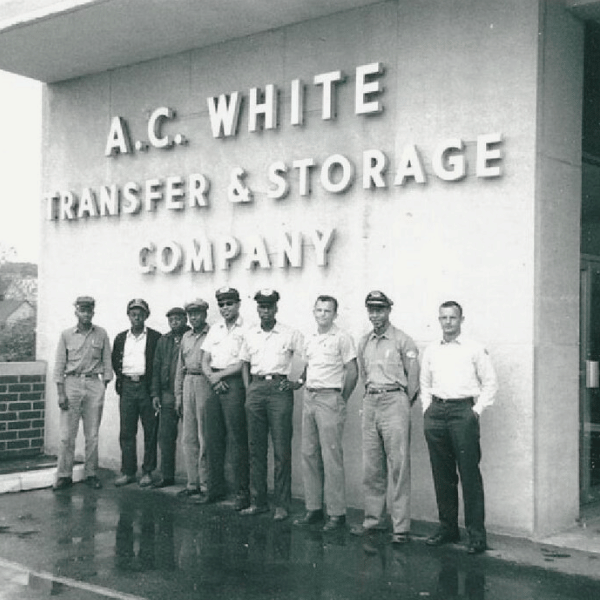
Why A.C. White Relocations Is the Right Choice for Inventory-Controlled Moves in Atlanta, GA
Keeping track of every item during a move can make a big difference, especially for larger households or office relocations in Atlanta. A.C. White Relocations uses a structured inventory process that helps clients stay organized from packing through delivery, reducing the chances of misplaced or overlooked items. Their team labels, documents, and monitors belongings at each stage, making it easier to confirm that everything arrives where it should. With a focus on accuracy and clear coordination, they help take the guesswork out of complex moves. If you’re planning a move that requires detailed tracking, call them at 770-325-9100 to review your inventory needs, go over how items will be recorded and managed, and set up a plan that keeps your Atlanta move organized from start to finish.


Contact Information:
A.C. White Relocations
8186 Industrial Pl, Alpharetta, GA 30004, USA
Alpharetta, GA 30004
United States
Timothy White
(404) 964-0902
https://www.acwhite.com/

