
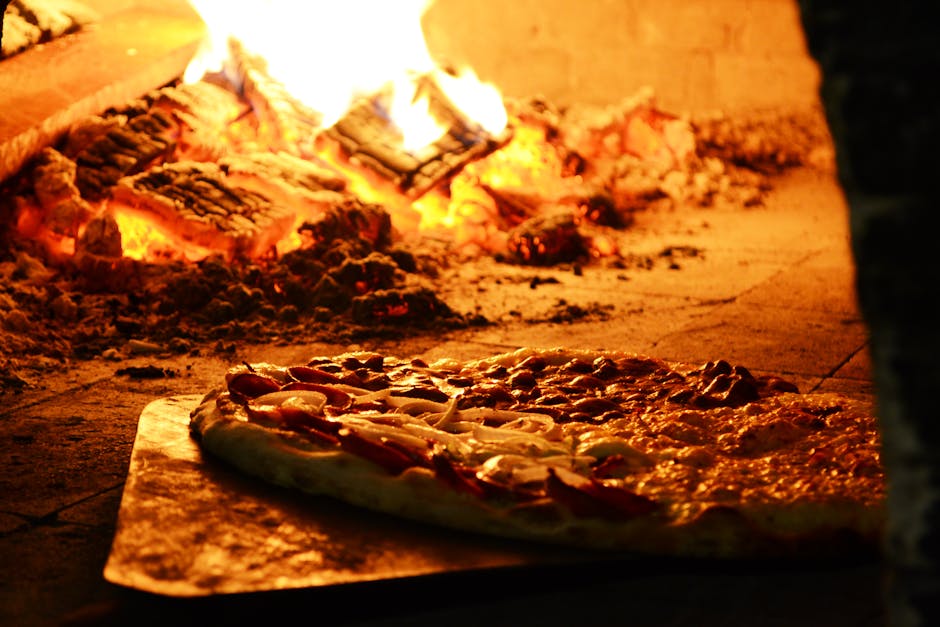
Crustify Pizza Ovens has published a data-driven guide addressing a persistent challenge for home pizza enthusiasts: achieving and maintaining optimal temperatures in wood-fired pizza ovens. The guide delivers specific techniques for temperature control that enhance crust quality—the signature ‘crustify’ effect—by translating professional oven management into actionable steps for backyard cooks who want restaurant-caliber results without guesswork.
They have also released a complete wood type guide that complements this temperature advice with flavor optimization details at https://crustifypizzaovens.com/blogs/news/wood-types-best-for-pizza-oven-flavor-guide
Temperature control directly determines crust development and overall pizza quality, yet the ideal heat varies dramatically by style. Neapolitan pizza requires oven dome temperatures of 800-900°F and floor temperatures of 750-850°F, with bake times of just 60-90 seconds, producing the characteristic leopard-spotted crust and airy, chewy bite. New York-style pizza performs best at 500-600°F over 6-12 minutes, yielding a foldable slice with crisp underside. These differences underscore why guidance is necessary: hitting and holding the correct temperature window separates mediocre home pizza from professional-quality pies.
Managing these temperature ranges consistently remains a common stumbling block for home pizza makers. The solution begins with wood selection and maintenance. Seasoned hardwoods with moisture content between 15-20% burn cleanly and efficiently, delivering sustained high heat, while softwoods and green wood cause smoke, inconsistent temperatures, and oven damage. Oak stands out for its ability to help the oven achieve and sustain high temperatures, often in the 750-900°F range, and its mild, neutral smoke flavor, making it the foundation choice. Fruit woods such as apple and cherry add aromatic notes, though some may burn at slightly lower temperatures or faster than oak, making them ideal for complementing a high-heat foundation wood. Proper wood selection is non-negotiable for success.
Crustify’s guide addresses three core operational areas: preheating, fire management, and troubleshooting. Preheating typically requires 45-90 minutes, and sometimes up to two hours, during which users monitor dome and floor temperatures until soot burns off and surfaces reach target ranges. Rather than chasing a single number, the guide recommends maintaining a temperature window—for example, 535-565°F for general pizza—by adding small logs every 15-20 minutes to a glowing coal bed. These hands-on directions translate technical concepts into practical steps, enabling home users to replicate professional techniques reliably.
Visual and tactile cues help users recognize when their oven is properly heated and when pizzas reach ideal doneness. The dome soot burning off and turning whitish signals thermal readiness, while infrared thermometer readings on floor and dome confirm target ranges. Leopard-spotted crust appearance indicates correct high heat for Neapolitan style. Users learn to rotate or adjust pizzas mid-cook if the bottom or top is under-done. These indicators connect directly to achieving the ‘crustify’ effect consistently across multiple cooking sessions.
Crustify Pizza Ovens curates premium wood-fired pizza ovens from leading manufacturers and now provides the knowledge to unlock their full potential through expert temperature and wood guidance. The company supports home enthusiasts in achieving restaurant-quality results through curated equipment and educational resources, with the guide forming part of a broader mission to support customer success. Resources are accessible for all skill levels, positioning Crustify as a trusted partner in the wood-fired pizza journey.
For more details, visit https://crustifypizzaovens.com/
Crustify Pizza Ovens
255 Rivertown Shops Dr 102 #141
Saint Johns
FL
32259
United States