
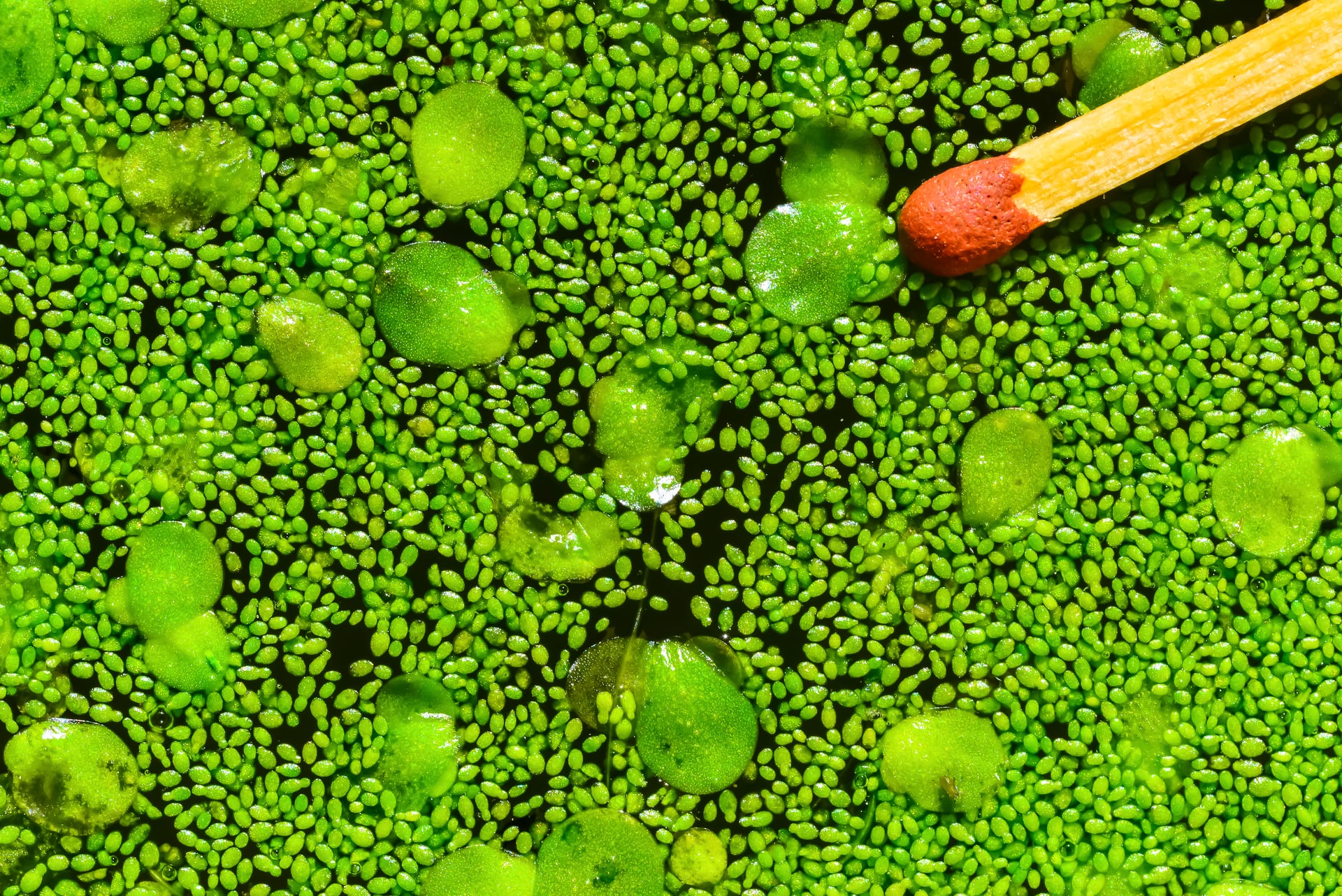
As interest in sustainable nutrition continues to grow, attention is increasingly turning toward food sources that are both efficient and nutritionally complete. Lotus Ministry Trust has published a new resource exploring duckweed, an aquatic plant the organization describes as a promising and practical source of plant-based protein for human consumption.
More information is available at https://www.lotus-ministry.org/post/duckweed-is-it-food-or-weed
What makes duckweed especially notable is the efficiency with which it grows. Unlike conventional protein crops such as soybeans, duckweed requires no arable land and far less water, yet it produces protein at a significantly higher rate. In a time when food systems are under pressure to become more affordable, resilient, and environmentally responsible, that combination makes duckweed a compelling subject of study.
The newly released resource explains that duckweed contains between 35% and 45% protein by dry weight. It also provides all nine essential amino acids, making it a complete protein source. Beyond protein, the plant offers a range of valuable nutrients, including vitamins A, C, and several B vitamins, as well as minerals such as iron, calcium, and magnesium. The article also highlights the presence of vitamin B12, a nutrient rarely found in plant-based foods and often difficult to obtain without supplementation in vegetarian diets. Beyond direct human consumption, the resource also examines duckweed’s role in broader food production systems.
In aquaculture systems, duckweed can serve as a high-protein feed supplement, supporting fish production in regions where it grows naturally in ponds, canals, and floodplains. Bangladesh is one example, where the plant is already part of the local ecological landscape and can contribute to more sustainable food production.
At the household level, Lotus Ministry Trust presents duckweed as a crop that can be grown with minimal equipment and expense. According to the guide, home growers can establish a productive system using a shallow container, dechlorinated water, and a starter culture. Once established, it can be harvested continuously and prepared through quick blanching to preserve nutritional value.
The article also emphasizes duckweed’s environmental benefits. According to the resource, controlled cultivation systems can significantly reduce nitrogen and phosphorus levels in water, helping filter pollutants while simultaneously producing edible biomass. This dual role—as both a food source and a water-cleaning plant—makes duckweed especially relevant in communities facing intertwined challenges of food insecurity and poor water quality.
As a representative of Lotus Ministry Trust stated, “Communities that learn to grow and prepare duckweed can access a reliable, low-cost protein supply that also supports cleaner water and a healthier environment.”
Lotus Ministry Trust invites readers interested in sustainable nutrition to explore the full resource and learn how duckweed cultivation may strengthen future plant-based food systems.
For more information, visit https://www.lotus-ministry.org/post/duckweed-is-it-food-or-weed
Lotus Ministry Trust
lotus.ministry.trust@gmail.com
1355 Post St
405
San Francisco
California
94109
United States
