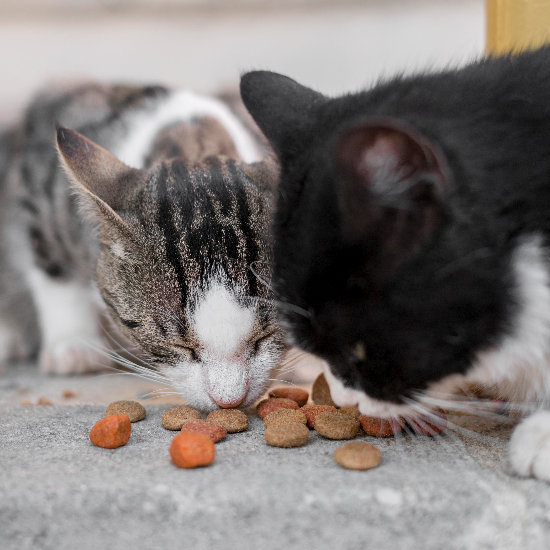
Many pet owners panic when their feline companions consume foods meant for humans. Chocolate poses serious health risks to cats due to toxic compounds that affect their nervous and cardiovascular systems.
Cross Creek Animal Medical Centre serves Tampa, FL, residents with comprehensive veterinary care, including emergency treatment services for accidental poisoning incidents that require immediate attention. Beyond this, they offer everything from routine dental checkup appointments to vaccinations. In this guide, Cross Creek Animal Medical Centre will explain what to do if your cat eats chocolate.

Understanding the Dangers of Chocolate for Cats
Chocolate contains caffeine and theobromine, which veterinarians classify as methylxanthines that prove toxic to felines. These compounds overstimulate a cat's nervous system and can cause severe cardiac complications. The risks of caffeine and methylxanthines in sweets vary depending on the type and amount consumed, with darker varieties containing higher concentrations of these dangerous substances.
Pet owners in Tampa should understand that identifying toxic doses of dark chocolate for cats requires a professional assessment. A small milk chocolate shaving may not cause significant harm, while larger quantities of any chocolate type warrant immediate veterinary attention.
Symptoms of theobromine poisoning in felines include:
Vomiting
Diarrhea
Fever
Hyperactivity
Increased thirst and urination
Potentially life-threatening seizures
What To Do If Your Cat Eats Chocolate in Tampa
Time becomes critical when a cat consumes chocolate. Pet owners should contact Cross Creek Animal Medical Centre immediately rather than waiting for symptoms to develop. Emergency veterinary care for accidental ingestion helps minimize potential damage and protect feline health.
Monitoring for neurological signs of pet toxicity helps Tampa veterinarians assess the severity of the situation. Owners should inform their veterinarian about the type of chocolate consumed, the estimated amount, and any symptoms their cat displays. This information allows veterinary professionals to create personalized treatment plans that address each animal's specific needs.
Veterinarians typically induce vomiting to remove chocolate from the cat's digestive system before absorption occurs. Pet owners should never attempt this procedure at home without professional guidance. Additional treatments may include activated charcoal to prevent further absorption, intravenous fluids to combat dehydration, and overnight monitoring for severe cases requiring extended observation.
Preventing Future Chocolate Exposure in Tampa Homes
Knowing what to do if your cat eats chocolate isn't always enough. Prevention strategies help Tampa pet owners avoid repeated emergencies.
They should store chocolate candies, baking cocoa, and desserts in secure locations that their cats cannot access. Family members and guests need clear instructions about not feeding chocolate to pets, regardless of how much the animals beg.
Prompt cleanup of chocolate spills prevents curious cats from consuming dangerous crumbs. Owners should keep cats away from areas until they complete a thorough cleaning. These preventive measures protect feline companions from experiencing another life-threatening bout of chocolate poisoning.
About Cross Creek Animal Medical Centre
Cross Creek Animal Medical Centre provides comprehensive veterinary services for Tampa, FL, pet owners facing emergencies. Their compassionate team delivers immediate treatments for pets who experience toxic ingestion and other urgent health concerns.
Pet owners who need a good veterinarian can contact Cross Creek Animal Medical Centre at (813) 994-6929 to learn what to do if their cat eats chocolate or to schedule an appointment for preventative care services.